
Belhus Park Conservation Management Plan
Project details
- Client: Thurrock Council
- 31 December 2022
- Thurrock, Essex
People involved
Specialisms
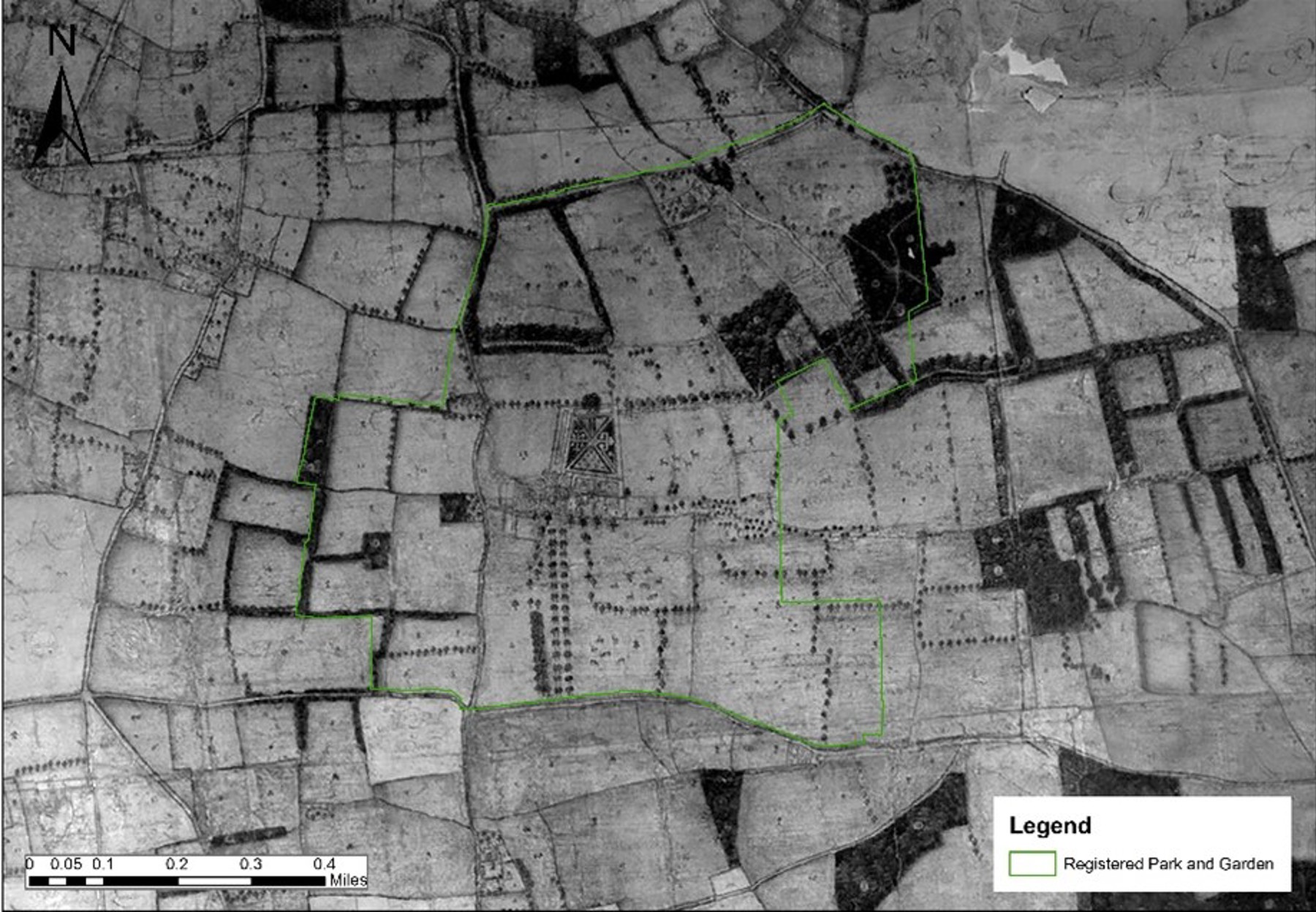
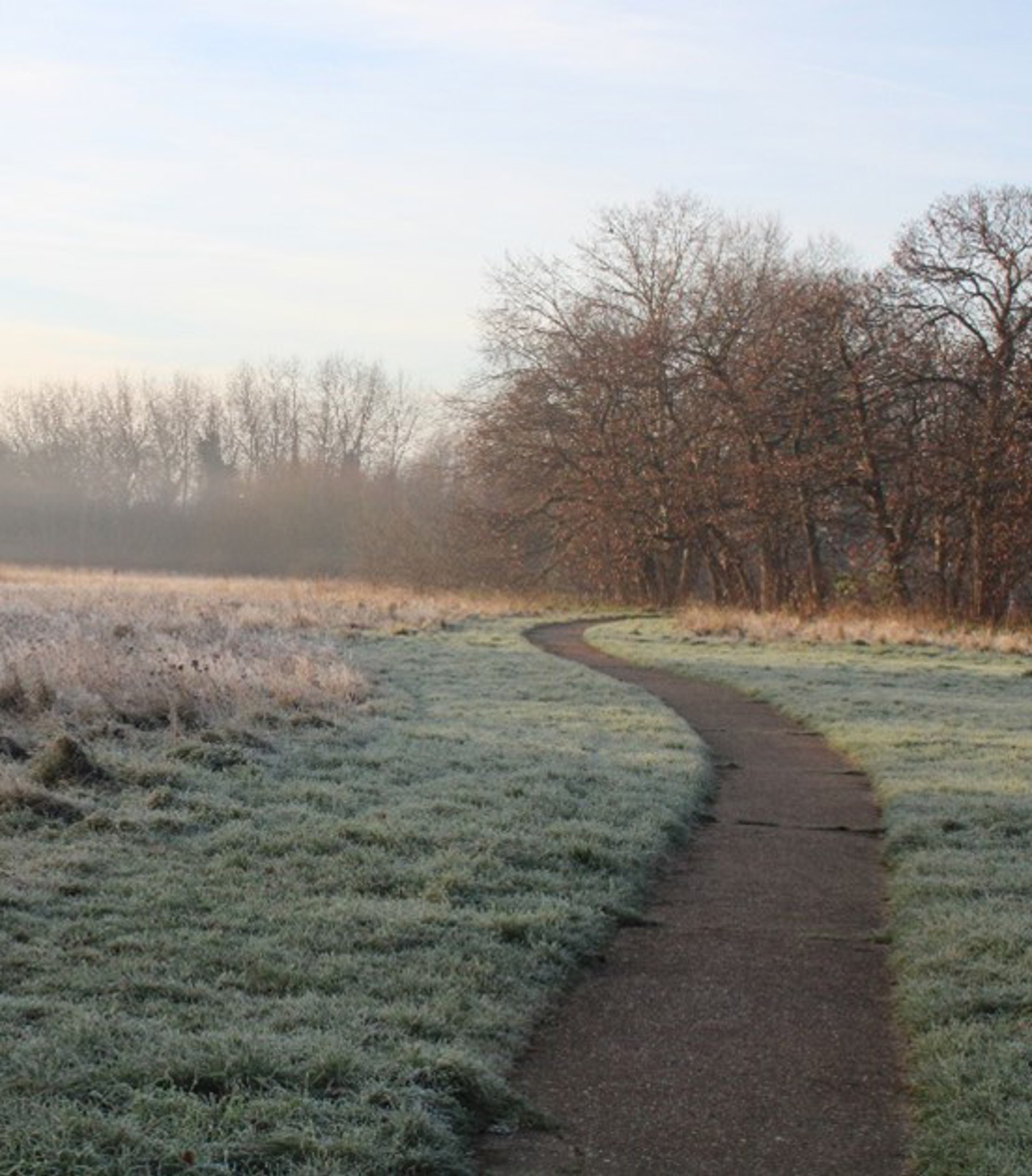
Our team were commissioned by Thurrock Council, working closely with local stakeholders and Historic England, to undertake the Belhus Conservation Management Plan for the Grade II Registered Belhus Park. The 17th century park is on the Heritage at Risk Register (HaR), and the creation of the CMP was incredibly important in order to support the long-term management, preservation and enhancement of this unique historic parkland.
Our team worked closely together to complete this multidisciplinary project, which included members of our historic environment, landscape, arboriculture, and ecology teams. Due to its inclusion on the HaR Register, and the recent research that had been undertaken through the Land of the Fanns project, stakeholder engagement underpinned the production of the CMP. Place Services worked closely with local groups throughout the creation of the document to ensure all historic research was captured, as well as threats and opportunities.
The CMP recognised that Belhus Park is a special place both in terms of the historic and natural environment, and that it has considerable recreational and amenity value. However, the CMP also found that the significance of the park was affected by a wide range of issues, including the fact that it is bisected by the M25, suffers from fragmented management responsibility, and is no longer perceived as a single entity. This was a key consideration within the final report.
The final CMP was a visual, dynamic document, containing historic images, photographs, graphics, and mapping to fully illustrate our findings. It contained the following chapters:
Executive Summary
Outlining the vision for the site, key significance, and recommendations, and references to the rest of the Conservation Management Plan. This included a statement summarising the main findings of the Plan.
Chapter One: Introduction
Outlining the basic information about the study
Chapter 2: Understanding
Providing information on the understanding of Belhus Park and the different facets which contribute to its significance. This contained assessments of built heritage, archaeology, landscape and ecology.
Chapter 3: Assessment of Significance
The assessment of significance was be informed by the information gathered in Chapter 2 and through consultation. It established what is significant about Belhus Park, why it is significant and who it is significant to. This section included input from the whole project team considering heritage, ecology, arboriculture, and landscape. Historic England guidance was consulted to present specific significant values that best revealed the importance of the site.
Chapter 4: Issues/Threats/Constraints and Opportunities
Identified both the existing and potential issues and conflicts with regards to the site’s significance. Some of the key elements we considered included:
- Management of assets;
- Security;
- Access-both physical and intellectual;
- Staffing;
- Education;
- Financial risks;
- Volunteer working;
- Conservation skills;
- Physical conservation of/risks to assets;
- Interpretation and understanding;
- Environmental changes;
- Public interaction with the site;
- Habitat management; and
- Future development within the Site and its setting.
At this stage, Place Services held a workshop with the Council and local stakeholders, on site, to discuss key issues and opportunities that had been identified. We presented our initial findings and welcomed feedback from all attendees, including site occupants, national bodies such as Historic England, local interest groups and representatives of local residents. We also undertook a walkover of the site, as a group, to discuss key areas of concern or areas of high significance that would require detailed consideration within the report. A principal example of this is the centrepiece to the parkland, the earthwork remains of the house (demolished in 1957), and the earthwork remains of the formal Tudor and Jacobean gardens which had recently been uncovered through the Land of the Fanns research project, and further analysed by Historic England.
Chapter 5: Conservation Framework: Conservation Policies
Identified Conservation Objectives. These objectives were short-medium term and addressed the sustainable conservation of the site.
This section was provided in a tabular format, separated by type and the area they pertained to.
Chapter 6: Action Plan: Management Overview
Provided for up to a 20 year period. This was also in a tabular format for ease of use.
Appendices
- Designation Descriptions
- Historic Environment Record Information
- Gazetteers (Historic Landscape, Archaeological, Ecological, Arboricultural)
- Surveys